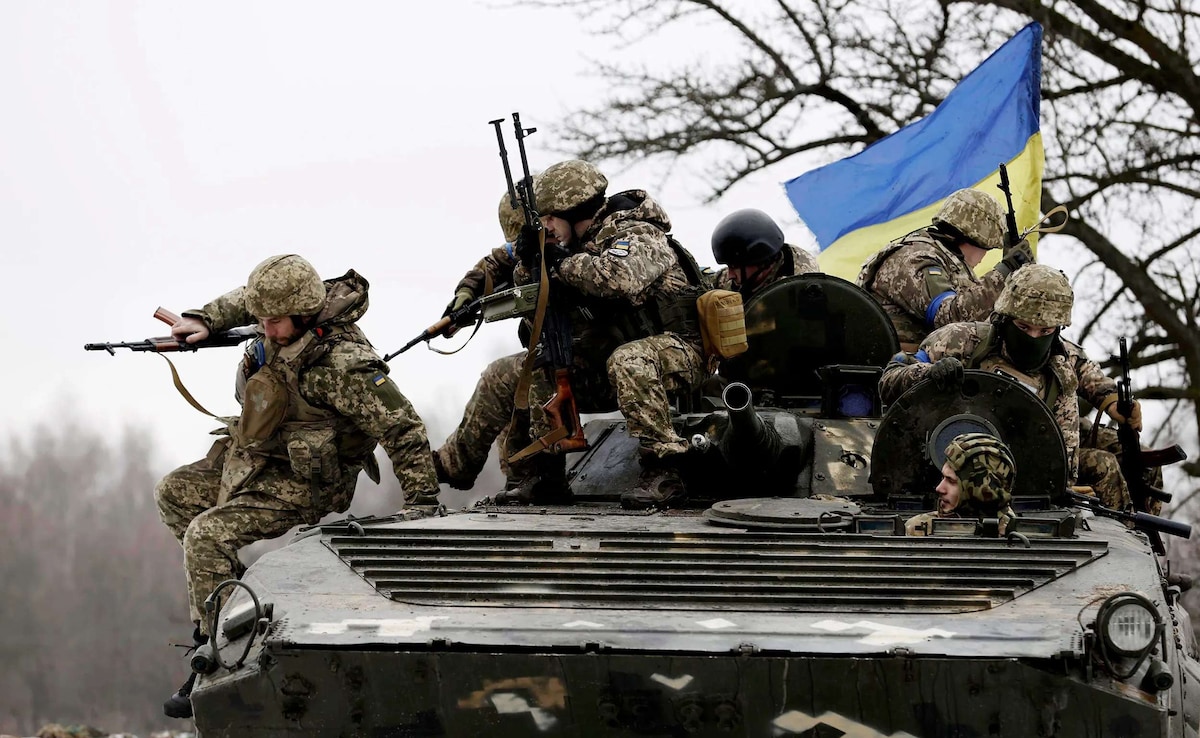
Imagine sending your son or brother abroad for a "helper" job in a Russian warehouse, only to get a panicked WhatsApp voice note months later from a frontline trench in Ukraine. That's the nightmare dozens of Indian families are living right now. On April 10, 2026, the Supreme Court of India didn't just express sympathy; it demanded answers. Chief Justice Surya Kant and his bench issued a notice to the Centre, essentially asking: how did our citizens end up as cannon fodder in a foreign war, and what are we doing to bring them home?
This isn't just about a few "missing" people. It's about a systematic, predatory recruitment scam that's exploited the desperation of young men from Kerala to Punjab. We're talking about human trafficking masquerading as job consultancy.
The bait and the battlefield reality
The story is almost always the same. A local agent promises a lucrative job in construction, security, or "army helping" in Russia. Salaries of ₹200,000 are dangled in front of men who struggle to make ₹15,000 at home. Once they land in Moscow, the trap snaps shut. Their passports are confiscated. They’re forced to sign contracts in Russian—a language they can't read—and suddenly they’re in a military camp being taught how to fire an AK-74.
By late 2025, many of these men were geolocated to brutal combat zones like Kupyansk and Makiivka. These aren't support roles; these are high-risk frontlines where the survival rate is measured in days, not months.
- Lured by agents: Promised "safe" jobs but shipped to the frontlines.
- Forced signatures: Coerced into military contracts without translation.
- Vanishing act: Families haven't heard from many since September or October 2025.
Why the Supreme Court is finally losing patience
The recent habeas corpus petition filed by the families of 26 Indians highlights a "continuous and uninterrupted inaction" from the government. While the Ministry of External Affairs (MEA) says it's "engaged" with Russian authorities, the numbers don't look great.
As of late 2025, the government admitted that 202 Indians were recruited. While 119 were discharged, 26 have been confirmed dead. That’s more than 10% of known recruits coming back in body bags. The Supreme Court is now invoking Article 32 of the Constitution, which basically says the state has a duty to protect its citizens' right to life and liberty, even beyond Indian borders.
It's honestly frustrating to see how long it's taken to treat this as a trafficking crisis rather than just a "consular matter." If 26 Indian students were stuck in a library in Europe, the response would be deafening. But because these are blue-collar workers, the diplomatic wheels have turned with agonizing slowness.
The trafficking syndicate behind the masks
The Central Bureau of Investigation (CBI) has already started cracking down, but the network is deep. These aren't just rogue agents; they’re part of international syndicates operating out of Dubai and Russia. They use YouTube and Telegram to hunt for vulnerable targets.
- Phase 1: The Lure. Job ads for "security guards" or "helpers" on social media.
- Phase 2: The Transit. Flying via Chennai or Mumbai to Moscow on tourist/student visas.
- Phase 3: The Coercion. Passports seized upon arrival; forced enlistment under threat of long-term imprisonment for "visa violations."
It’s a classic bait-and-switch, but with lethal stakes. The CBI has arrested several "recruiters" in Kerala and Mumbai, including translators who helped the Russian military process these men. But for the families of the 50-plus Indians still stuck in the trenches, these arrests don't bring their loved ones back.
What happens next for the stranded
The Supreme Court has given the Union Government one week to respond. They want a protocol. They want a nodal officer. Most importantly, they want a way to verify if these men are even still alive.
If you're following this, here’s what you need to know about the current situation:
- Diplomatic pressure: Prime Minister Modi and the MEA have raised this with Putin, but the Russian side moves slowly when they need every warm body they can get on the front.
- DNA profiling: The government is already collecting DNA samples from families in India to identify remains that haven't been repatriated yet.
- Legal battle: The Court might soon order a more aggressive timeline for the safe discharge of every Indian national, regardless of the "contracts" they were forced to sign.
Check the background of any "overseas job consultant" through the MEA's official eMigrate portal before paying a single rupee. If the job involves "helping" a foreign military, run the other way. If you have a relative missing in Russia, contact the nearest Protector of Emigrants (PoE) office immediately and file a formal complaint with the local police to trigger a CBI-linked investigation. The time for "waiting and watching" is over.