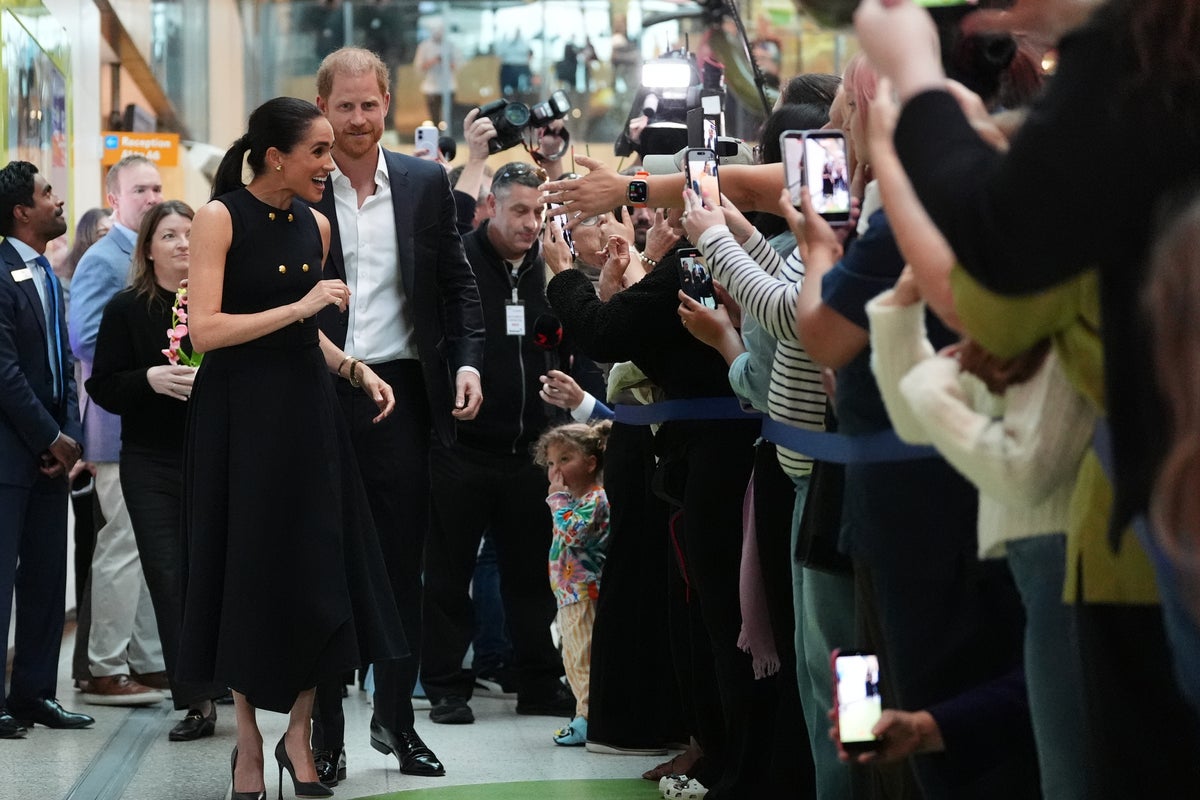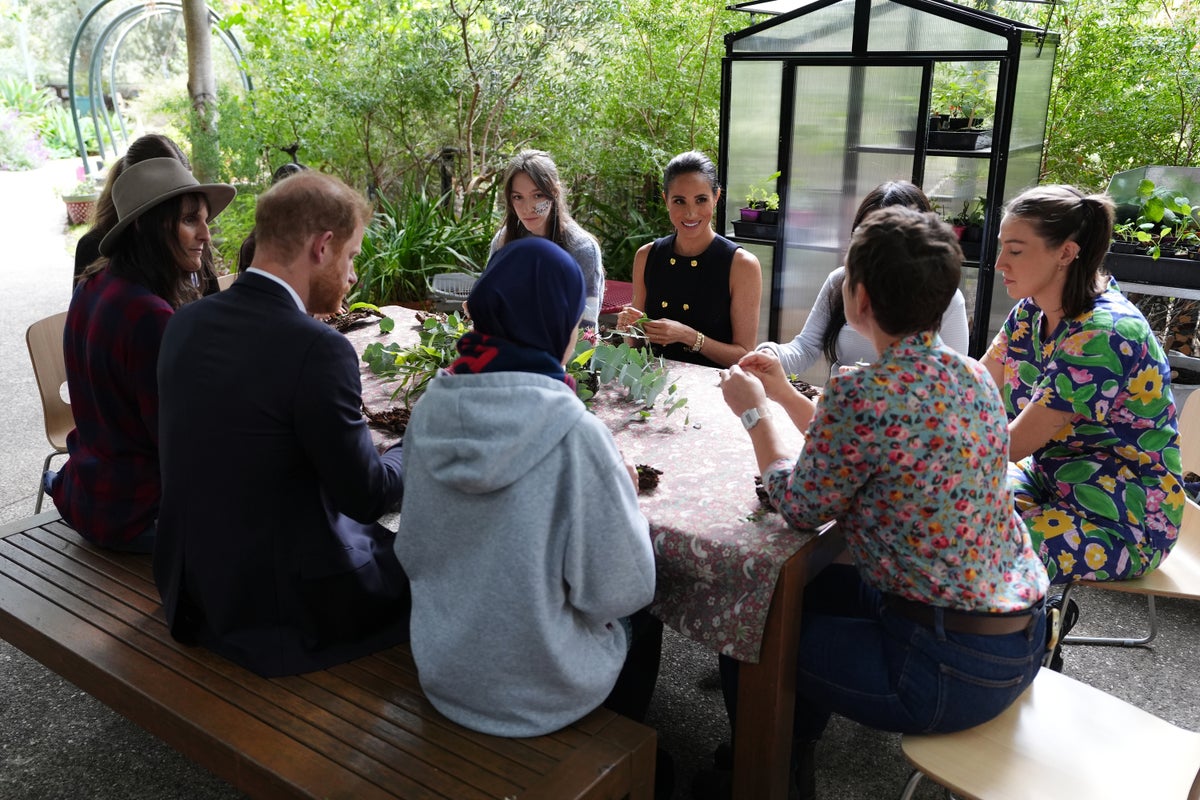
The arrival of Prince Harry and Meghan Markle in Melbourne this week was marked by something far more damaging than active hostility: a polite, hushed indifference. In 2018, the couple’s tour of Australia was a fever dream of republican-leaning crowds suddenly converted to the cult of the Sussexes, fueled by a pregnancy announcement that felt like a gift to the Commonwealth. Fast forward to April 2026, and the scene at the Royal Children’s Hospital was a clinical study in diminished returns. There were no teeming thousands blocking the streets, only a small, subdued cluster of staff and patients whispering "hi" as if trying not to wake a sleeping baby.
This is the reality of the "quasi-royal" era. By trading the heavy, gilded crown of state-funded duty for the sleek, venture-backed armor of the American celebrity, the Sussexes have entered a marketplace where attention is the only currency that matters. And in Australia, the exchange rate is tanking.
The Monetization of Access
The fundamental shift in this 2026 visit isn’t just the lack of a horse-drawn carriage. It is the jarring transition from public service to private subscription. While the couple still maintains a schedule of charitable visits—including the hospital and a women’s domestic violence shelter—the "why" behind the trip is inextricably linked to high-ticket commercial interests.
Harry is slated as the keynote speaker at a mental health summit where attendance fees hover around $1,000. Meghan is headlining a luxury "Her Best Life" retreat in Sydney with a price tag starting at $2,699. For the true believers, a "VIP experience" including a group photo with the Duchess is marketed at over $3,000.
This is where the Sussex brand encounters its greatest friction. In the royal ecosystem, the public pays for the institution through taxes and, in return, receives a performance of timelessness and "belonging" that belongs to everyone. When that same performance is chopped up and sold as a tiered premium service, it loses the very magic that made it valuable. You cannot be the people's prince when you are charging them a month’s rent for a selfie.
Security Costs and the Death of the Walkabout
One of the most telling details of this four-day tour is the total absence of traditional walkabouts. PR notes leaked prior to their arrival cited "security costs of keeping public order" as the reason the couple will not be greeting the general public on the streets.
On the surface, it sounds like a safety precaution. To an industry analyst, it looks like a tactical retreat. Walkabouts are the lifeblood of royal popularity; they provide the viral images of "connection" that sustain the brand’s relevance. By eliminating them, the Sussexes have effectively walled themselves off from the average Australian.
The irony is that while the trip is "privately funded," the burden of public safety still falls on local police agencies. NSW Police confirmed an "operation to ensure public safety," a move that has already sparked grumbling among taxpayers who wonder why they are footing the bill for a security detail protecting a commercial promotional tour.
A Fractured Narrative
The 2018 tour worked because it felt like a beginning. The 2026 tour feels like an attempt to rewrite a middle chapter that didn't go as planned. In the eight years since they last touched down in Sydney, the Duke and Duchess have gone from being the "future of the Windsors" to a pair of polarizing expatriates who have spent much of their cultural capital litigating the past.
Australians are famously allergic to "tall poppies" and even more so to those who seem to be trying too hard. The "operational planning notes" shared with the media, detailing their "measurable impact" and "community resilience" focus, read more like a corporate social responsibility report than a mission of the heart.
- The 2018 Vibe: Spontaneous, hopeful, globally significant.
- The 2026 Vibe: Managed, transactional, localized.
While the couple’s office insists the visit is about "listening and learning," the optics suggest a desperate need to shore up "Brand Sussex" in a territory that once adored them.
The Cost of Independence
There is a weary confidence in the way Harry and Meghan move now. They fly commercial—albeit business class—and they choose their own partners. They are, as they wished, financially independent. But independence comes at the cost of the "pomp and ceremony" that acts as a force multiplier for the monarchy.
Without the infrastructure of the Palace, the Sussexes are essentially a high-end startup. They are competing for the same oxygen as Hollywood A-listers and Silicon Valley gurus. In Melbourne, that competition looked lopsided. When the most significant takeaway from a hospital visit is that the crowd was "hushed," it implies a lack of energy that no amount of PR "operational notes" can fix.
The "muted welcome" isn't a sign of hatred. It’s a sign of exhaustion. The Australian public has seen the documentaries, read the memoirs, and watched the late-night interviews. The mystery is gone, and in the world of celebrity, mystery is the one thing you can't buy back with a $3,000 retreat ticket.
The Sussexes are finding that while you can leave the Firm, the shadow of the crown is long. In Australia, they are discovering that if you want to be treated like a private citizen, the public might eventually grant you that wish—by simply looking the other way.